
No Office Needed — discover how remote work is changing how we live, earn, and connect. Tips, tools, and real stories for modern remote workers.Contact
Introduction: The Rise of “No Office Needed” Culture
For decades, the idea of success meant a 9-to-5 job, cubicles, commutes, and a boss watching over your shoulder. But times have changed. The modern workforce is rewriting the rulebook — proving that productivity doesn’t need four walls. Welcome to the era of “No Office Needed.”
This isn’t just a catchy phrase — it’s a movement. A mindset shift where people are proving every day that good work can happen from anywhere: a café in Bali, a mountain cabin, or your living room couch. This blog, “No Office Needed: The Remote Work Journal,” explores how remote work is reshaping careers, creativity, and personal freedom.

1. The Meaning Behind “No Office Needed”
At its core, “No Office Needed” is more than just a work setup — it’s a philosophy of independence. It’s about trusting people to manage their own time, find their own balance, and produce quality work without being chained to a desk.

It means:
- Freedom from daily commutes
- Flexibility to design your schedule
- Ability to work globally, not locally
- Choosing quality of life over rigid structure
The beauty of “No Office Needed” is that it doesn’t just benefit employees — it benefits businesses too. Companies now save millions on rent, utilities, and infrastructure, while accessing global talent at a fraction of traditional costs.
2. How the “No Office Needed” Trend Began
The “No Office Needed” revolution didn’t happen overnight. It evolved through three major waves:
- Early digital freelancers (2000–2010):
Graphic designers, developers, and writers started working online using platforms like Upwork and Fiverr. - Cloud technology era (2010–2019):
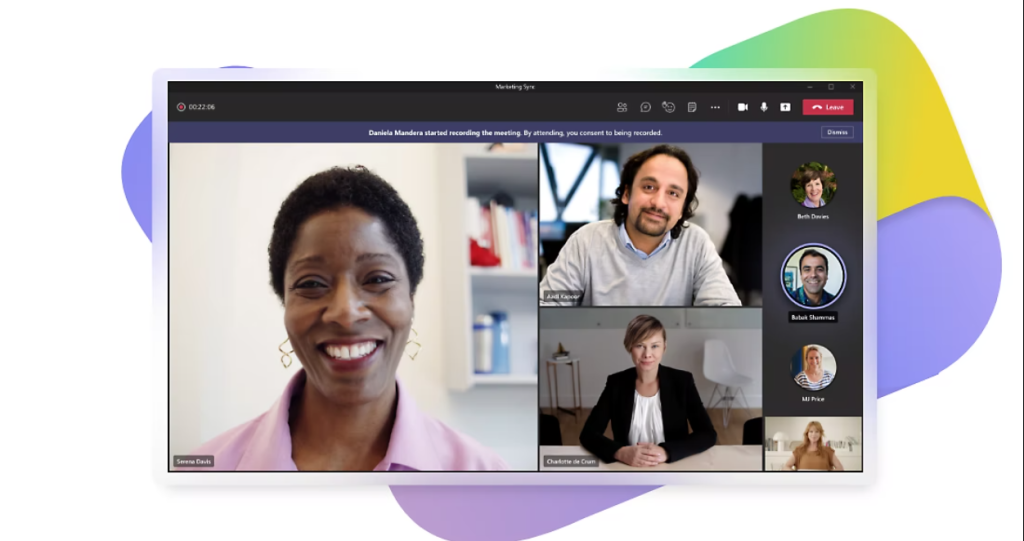
Tools like Zoom, Slack, and Google Workspace made collaboration seamless. Companies realized they could hire anyone, anywhere. - Pandemic acceleration (2020–2023):
COVID-19 forced the world’s largest remote work experiment. What began as a necessity turned into a global transformation — proving that “No Office Needed” could actually work.
Now in 2025, remote work is no longer an experiment. It’s a lifestyle — and in many industries, it’s the default.
3. Why “No Office Needed” Is the Future of Work
The future of work is flexible, digital, and borderless. Here’s why the “No Office Needed” model continues to grow:
a. Productivity Is Higher Than Ever
A Stanford study found that remote workers are 13% more productive. Without distractions, office politics, and long commutes, people focus better and get more done.
b. Work-Life Balance Is Real
Remote work gives people control. They can attend family events, travel, or work at their most creative hours. That kind of freedom keeps morale and loyalty high.
c. Cost Savings for Everyone
Businesses save on rent and resources; employees save on fuel, meals, and city rent. It’s a win-win situation.
d. Global Collaboration
With no office limits, teams are more diverse and inclusive. A designer in India can work with a marketer in the U.S. and a developer in Germany — all from their laptops.

4. The Emotional Side of “No Office Needed”
While the perks are plenty, the human side of remote work deserves attention. The No Office Needed lifestyle can be liberating — but also isolating.
a. Freedom Feels Fantastic
No office politics. No clocking in. No one judging your outfit. That sense of autonomy boosts confidence and creativity.
b. Loneliness Can Creep In
Working remotely can make you miss small talk, team lunches, and in-person energy. It’s important to create social balance — through coworking spaces, online communities, or travel.
c. The Search for Balance
When your home becomes your office, boundaries blur. The “No Office Needed” lifestyle teaches self-discipline — learning when to log off is just as important as logging in.
5. Tools That Power the “No Office Needed” World
Technology is the backbone of the No Office Needed revolution. These tools make remote work smooth, efficient, and human:
- Communication: Slack, Microsoft Teams, Zoom
- Project Management: Asana, ClickUp, Trello
- Time Tracking: Toggl, Clockify
- File Sharing: Google Drive, Dropbox
- Focus Tools: Notion, Freedom App
Each of these tools removes barriers, proving that collaboration doesn’t require cubicles — just connection.
6. Building a Career With No Office Needed
In the No Office Needed world, careers look different. You don’t climb a corporate ladder — you build a digital footprint.
Freelancers
Designers, developers, writers, marketers — freelancers are the backbone of this revolution. They thrive by building portfolios, not resumes.
Remote Employees
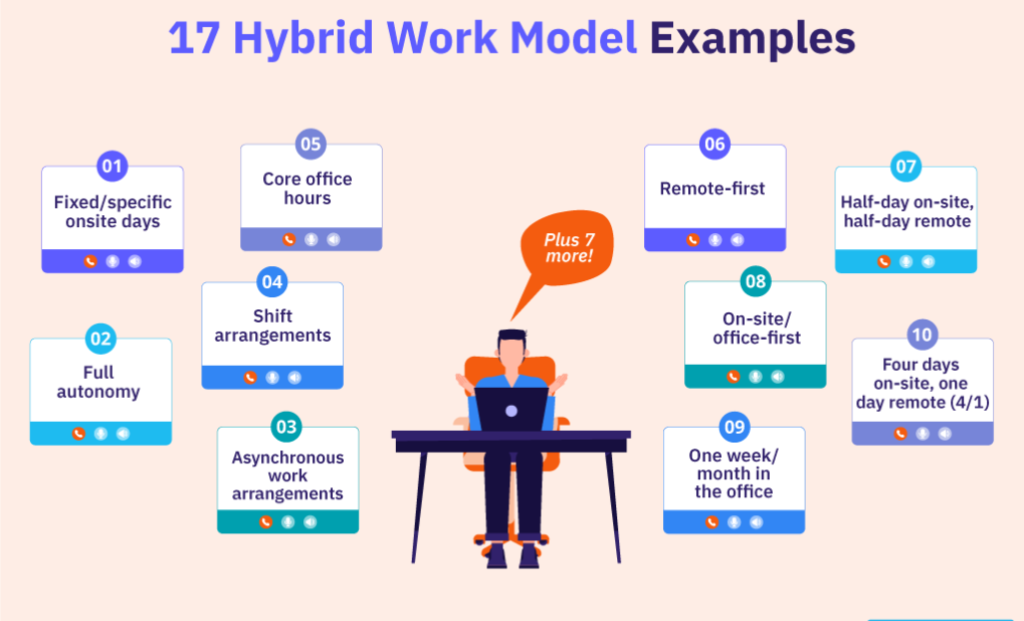
From customer support to software engineering, companies hire remote teams globally. Even Fortune 500 firms have adopted hybrid or fully remote models.
Digital Nomads
A new tribe of workers travel while working — using Wi-Fi as their lifeline. They live proof that “No Office Needed” isn’t just theory; it’s a lifestyle.
7. The Economic Impact of “No Office Needed”
Remote work is more than a convenience — it’s changing the world economy.
- Global hiring: Companies hire based on skill, not geography.
- Rural empowerment: People can earn global income while living in small towns.
- Reduced urban pressure: Fewer commuters mean less pollution and less overcrowding.
Economists call this the “location independence economy.” It allows talent to bloom anywhere, and economies to decentralize.
8. Challenges in the No Office Needed Lifestyle
Every revolution has hurdles, and the No Office Needed journey isn’t without them.
a. Distractions at Home
From family interruptions to household chores, staying focused can be tough.
b. Overworking
When work is always “just a click away,” burnout becomes real. Many remote workers put in longer hours without realizing it.
c. Lack of Visibility
Some remote employees fear being “out of sight, out of mind.” Companies must create fair systems to measure output, not presence.
d. Security Risks
Remote work increases cybersecurity concerns — making VPNs, encrypted apps, and secure networks essential.
9. How to Succeed in a “No Office Needed” Environment
Want to thrive in a remote setup? Follow these golden rules:
1. Create a Dedicated Workspace
Even if you don’t have an office, make a “zone” for focus. It signals your brain that it’s work time.
2. Maintain Routine
Structure your day with start and end times. Remote doesn’t mean random.
3. Communicate Clearly
Overcommunicate — not in quantity, but in clarity. Use tools wisely to keep everyone aligned.
4. Keep Learning
Online courses, skill upgrades, and certifications help you stay competitive.
5. Prioritize Mental Health
Take breaks, move your body, and connect socially — your mental space fuels your creative space.
10. The Psychology of “No Office Needed”
The remote era is not just about where we work — it’s about how we think about work.
- Autonomy increases satisfaction: People feel more ownership when trusted.
- Purpose drives performance: Without office distractions, meaningful work becomes clearer.
- Trust replaces supervision: Successful teams measure outcomes, not hours.
This psychological shift — from control to trust — is the real foundation of the No Office Needed culture.
11. The Role of Leadership in a No Office Needed World
Leaders today must evolve from managers to mentors.
a. Build Trust
Remote teams thrive on trust, not surveillance. Micromanagement kills morale.
b. Create Connection
Host virtual coffee chats, team retreats, or meetups. Keep the human touch alive.
c. Focus on Results
Judge employees on outcomes, not time spent online. Set clear goals and celebrate wins.
Leaders who master these soft skills will shape the most resilient and loyal teams.

12. How “No Office Needed” Empowers Diversity
One of the most beautiful outcomes of remote work is inclusion. The “No Office Needed” model removes geographical, physical, and social barriers.
- People with disabilities can work comfortably from home.
- Parents can balance childcare and careers.
- Global talent can compete fairly without relocation costs.
This shift is democratizing opportunity — proving that talent, not location, defines success.
13. Case Studies: Real Stories From the No Office Needed World
Story 1: A Designer From Pune Working for a Paris Startup
Riya, a UX designer, earns in euros while living in India. She never imagined working with a European brand until remote work made it possible. “No Office Needed gave me global wings,” she says.
Story 2: A Writer Traveling the Himalayas
Arjun writes blogs and travel content while living in Himachal. His office view changes every week, but his deadlines don’t. He says, “My creativity flows when I feel free — that’s the real magic of no office needed.”
Story 3: A Startup Without a Headquarters
A tech startup of 30 employees operates fully remote across 7 countries. Their productivity? 140% higher than before going remote.
These stories aren’t exceptions — they’re the new normal.
14. SEO Perspective: Why “No Office Needed” Keywords Are Growing
From an SEO standpoint, the phrase “No Office Needed” is trending globally. Search intent around this phrase includes:
- People looking for remote jobs
- Entrepreneurs exploring remote team management
- Digital nomads seeking lifestyle tips
Optimizing content around “No Office Needed” naturally attracts professionals, freelancers, and business owners looking to adapt to the future of work.
15. The Future of “No Office Needed”: What Comes Next
As AI, automation, and 5G evolve, remote work will become even smoother. The No Office Needed era is entering its next phase — a blend of digital intelligence and human creativity.
We’ll see:
- Virtual reality offices for immersive collaboration
- AI productivity assistants for task automation
- Workation culture — blending work and travel permanently